01
TP-LAB · ENGINEERING & TESTING
Laboratory testing
Analysis of the composition, structure and properties of polymer raw materials, masterbatches, compounds and finished products.
MechanicalRheologyThermalChemicalOpticalSurfacePilot Extrusion TP
From a sample to a measurable result
We select a testing programme for the material, processing technology and required outcome.
TP-LAB combines sample preparation, measurements and engineering interpretation of data. The results support incoming inspection, material comparison, formulation development and investigation of production deviations.
Laboratory test methods
We study rheological, mechanical, thermal, physical, colour, optical and surface properties of raw materials, polymers, masterbatches, compounds and finished products.
8 areas165+ methods and measured parameters
01 Physical propertiesDensity, moisture, water absorption and other physical parameters. 6 parameters
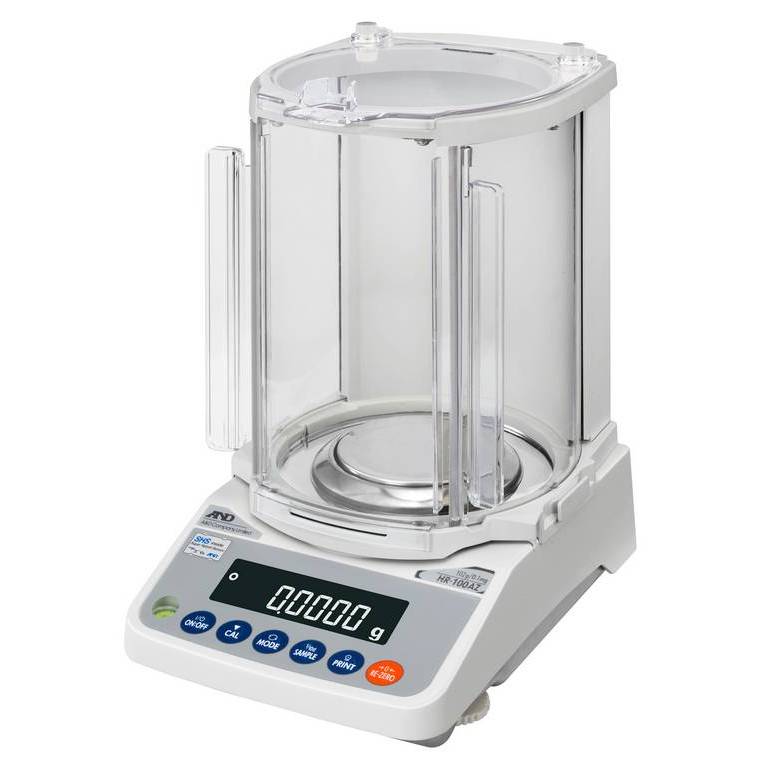
Density
Moisture mass fraction
Film and sheet thickness
Linear dimensions
Moulding shrinkage
Dimensional stability
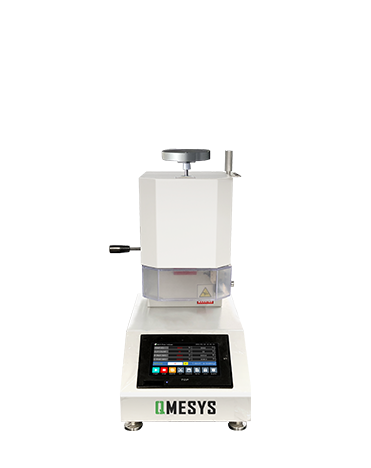
02 Rheological propertiesMelt flow rate indicators MFR and MVR. 5 parameters
MFR / MFIMass melt flow rate
MVRVolume melt flow rate
Measurements at different temperatures and loadsMaterial behaviour under specified conditions
Change in flow after processingTechnological stability of the material
Comparison of materials and batchesDifferences between samples and batches
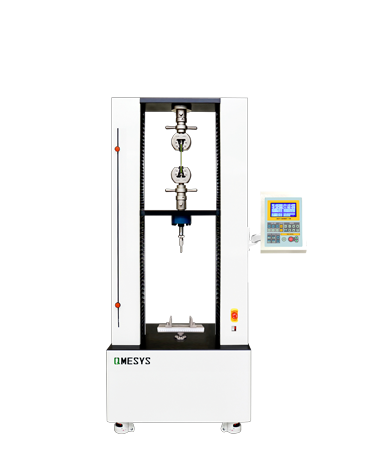
03 Mechanical propertiesTensile, flexural, elastic modulus and impact strength properties. 9 parameters
Tensile strength
Tensile modulus
Elongation at break
Flexural strength and modulus
Compressive strength
Izod impact strength
Charpy impact strength
Shore A and D hardness
Weld seam strength
04 Material hardnessShore A and D hardness, as well as pencil hardness of the surface.
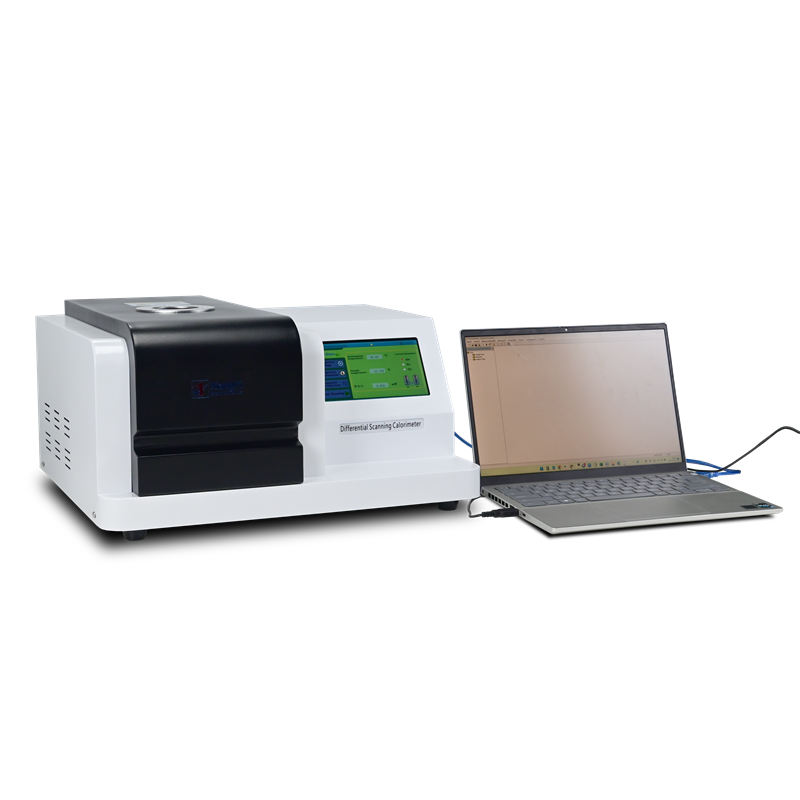
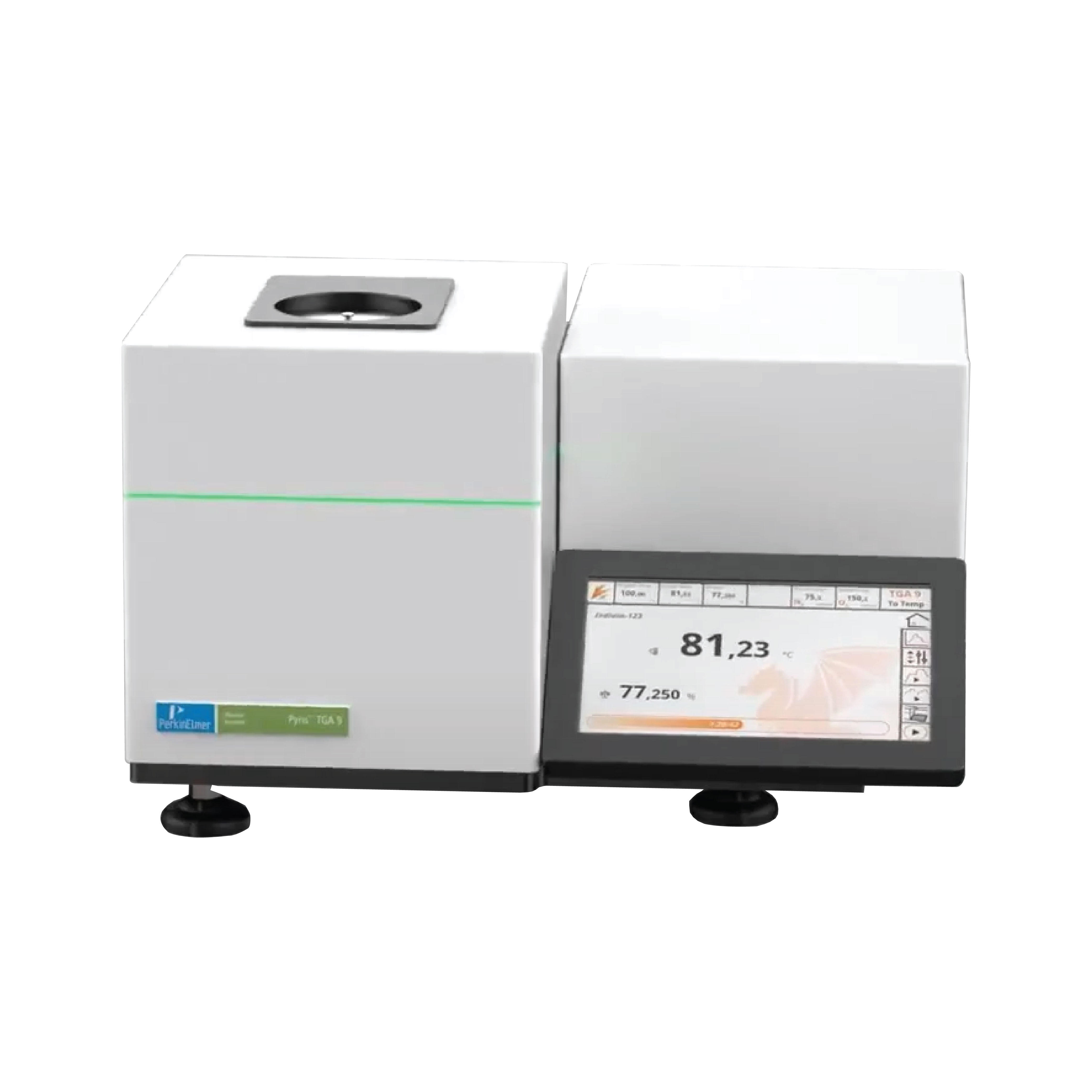
05 Thermal propertiesHDT, Vicat, melting, crystallization and thermal stability. 8 parameters
Melting temperature Tm
Crystallisation temperature Tc
Glass transition temperature Tg
Melting and crystallisation enthalpy
Degree of crystallinity
Heat deflection temperature HDT
Vicat softening temperature
Thermal ageing
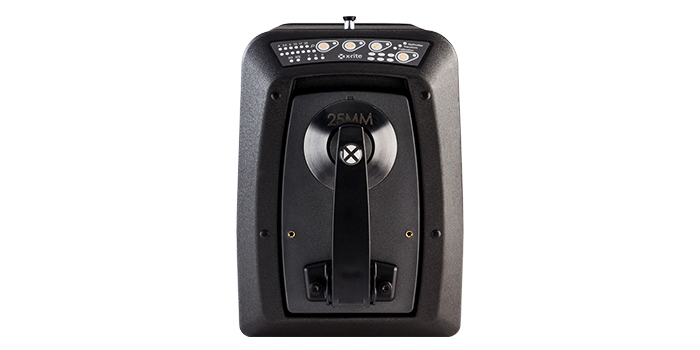
06 Optical and color propertiesTransparency, haze, gloss, L*a*b* coordinates and color difference ΔE. 8 parameters
CIELAB coordinates: L*, a*, b*
Colour difference ΔE
Whiteness index
Yellowness index
Tinting strength
Gloss at 20°, 60° and 85°
Colour repeatability
Colour stability after ageing
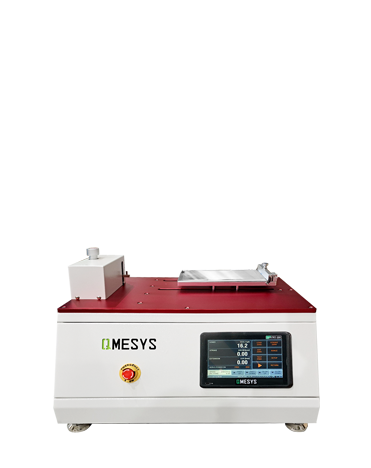
07 Film and surface propertiesCoefficient of friction, blocking, opening behavior and surface characteristics. 7 parameters
Static coefficient of friction COF
Dynamic coefficient of friction COF
COF change over time
Film blocking
Layer separation force
Film opening behaviour
Weld seam strength
08 Analytical studiesPolymer identification and analysis of material composition, structure and thermal behavior. 7 studies
FTIR spectroscopyMicroscopic analysis
Polymer base identification
Pigment dispersion analysis
Material comparison
Filler distribution analysis
Functional group identification
Agglomerate detection
Detection of contamination and impurities
Detection of gels and inclusions
09 Weathering resistanceChanges in properties and appearance after UV and climatic exposure.
10 Flammability and electrical propertiesFlammability, behavior under ignition source exposure and electrical characteristics. 5 areas
UV ageing
Evaluation of colour change after ageing
Evaluation of mechanical property changes after ageing
Flammability according to UL 94
Glow-wire test
How testing is performed
From task definition to a technical result.
02
Select the programme
Define methods, sample volume and measurement sequence.03
Run the tests
Prepare samples and record results according to the agreed programme.04